The Global Movement Powered by Climate Grants
Across the globe, communities are standing up to climate change — not with slogans, but with solutions. From reforesting coastal mangroves in Kenya to powering schools with solar energy in Nepal, climate grants are transforming bold ideas into measurable impact.
Yet, for many local organizations, the path to securing this funding still feels uncertain. Where do successful projects come from? What strategies make their proposals stand out?
In this article, we’ll take a deep dive into real-life case studies of projects funded by climate grants around the world, revealing the stories, strategies, and lessons that can help your organization win similar opportunities.
Whether you’re part of a grassroots NGO, a startup innovating in clean tech, or a local government seeking green infrastructure funding — this guide will help you understand how to attract and manage climate grants effectively.
Why Climate Grants Matter More Than Ever
1.1 The Urgency of Climate Action
The world is facing escalating climate challenges — from prolonged droughts to rising sea levels. According to the UN, developing countries need more than $2 trillion annually to transition to a low-carbon economy and adapt to the climate crisis.
Climate grants play a critical role in bridging this funding gap. They provide resources for:
- Renewable energy projects (solar, wind, hydro)
- Sustainable agriculture and food security initiatives
- Community resilience and disaster preparedness
- Carbon capture and reforestation programs
- Water management and conservation projects
1.2 What Climate Grants Fund
Climate grants come from governments, foundations, corporations, and multilateral organizations. Each focuses on specific aspects of the climate crisis. For instance:
- The Green Climate Fund (GCF) supports adaptation and mitigation in developing countries.
- The European Climate Foundation funds policy innovation and carbon reduction strategies.
- The Global Environment Facility (GEF) finances biodiversity protection and sustainable energy access.
These funders aren’t just handing out money — they’re seeking measurable outcomes, strong project design, and demonstrable local impact.
Inspiring Case Studies of Climate Grant Projects
Let’s explore real-world examples that show how climate grants are driving tangible progress. Each project offers lessons you can apply to your own funding journey.
Case Study 1: Solar Power for Remote Villages in Nepal
Grant Source: Global Environment Facility (GEF)
Grant Size: $1.2 million
Implementing Partner: Rural Energy Development Programme
Challenge:
Thousands of households in remote Himalayan communities lacked access to reliable electricity, relying on kerosene for lighting and cooking.
Solution:
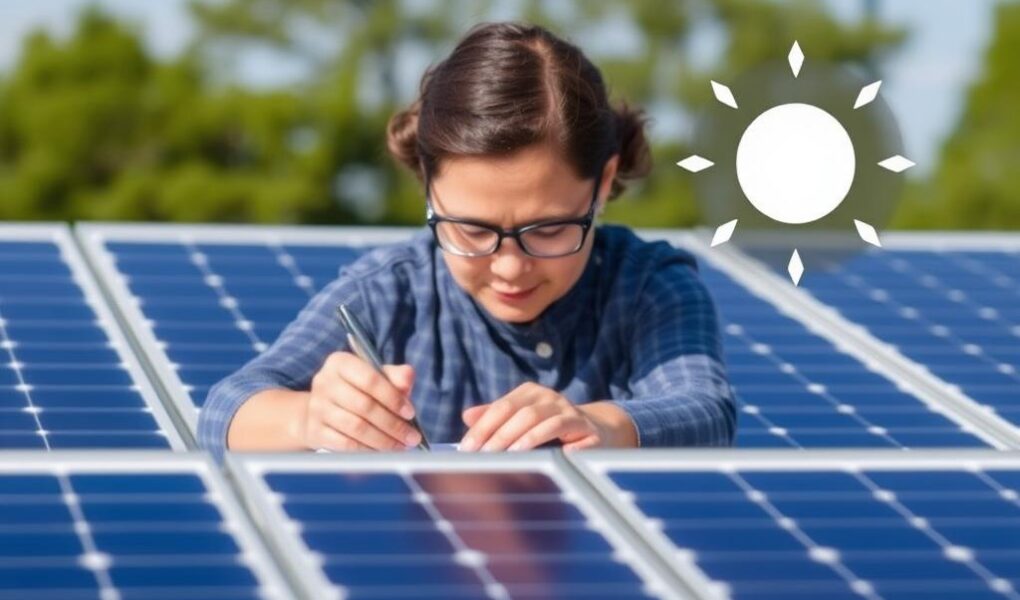
With GEF funding, the project installed micro-hydropower and solar systems in over 30 villages. Locals were trained to maintain the systems, ensuring sustainability.
Impact:
- 15,000+ people gained clean, affordable energy access.
- 40% reduction in kerosene use.
- Women-led cooperatives emerged to manage energy revenues.
Lesson for You:
Combine technology with local capacity building. Funders love projects that create self-sufficiency instead of dependency.
Case Study 2: Mangrove Restoration in Kenya
Grant Source: Blue Action Fund & USAID
Grant Size: $850,000
Implementing Organization: Community Forests Association
Challenge:
Kenya’s coastal communities were losing vital mangrove forests, which protect against erosion and serve as carbon sinks.
Solution:
The community-led program replanted over 500,000 mangrove seedlings and established local eco-tourism as a livelihood alternative to deforestation.
Impact:
- 300 hectares of mangroves restored.
- 150 jobs created through ecotourism and seed nurseries.
- Coastal resilience increased during seasonal flooding.
Lesson for You:
Show funders how your project will generate co-benefits — environmental, social, and economic.
Case Study 3: Sustainable Farming in Brazil’s Cerrado
Grant Source: Amazon Fund (managed by BNDES)
Grant Size: $3.5 million
Implementing Organization: Instituto Terra Verde
Challenge:
Unsustainable cattle ranching was degrading soils and driving deforestation in the Cerrado biome.
Solution:
With support from the Amazon Fund, local farmers transitioned to integrated crop-livestock-forest systems. The grant provided training, soil recovery tools, and monitoring.
Impact:
- 12,000 hectares of land restored.
- 30% increase in smallholder farmers’ income.
- Carbon emissions reduced by 25% across project sites.
Lesson for You:
Use data and measurable outcomes. Funders prefer proposals that clearly define metrics and show potential for scaling.
Case Study 4: Flood-Resilient Housing in Bangladesh
Grant Source: Climate Investment Funds (CIF)
Grant Size: $5 million
Implementing Agency: BRAC
Challenge:
Recurring floods displaced thousands annually, destroying homes and livelihoods.
Solution:
BRAC’s “Floating Homes Initiative” built modular, flood-resilient homes using recycled materials and solar lighting.
Impact:
- 1,200 flood-proof homes built.
- Improved safety for 7,000 residents.
- Government adoption of design standards for new rural housing.
Lesson for You:
Innovation that aligns with national adaptation priorities gains funder trust and potential co-financing.
What These Success Stories Have in Common
Across all these projects, several key success factors stand out — and these are precisely what funders look for in applications.
3.1 Community Ownership
Projects succeed when beneficiaries are co-designers, not just recipients. Funders are increasingly prioritizing locally led adaptation.
3.2 Strong Partnerships
Every case study involved collaboration — between governments, NGOs, and technical experts. Partnerships enhance credibility and execution capacity.
3.3 Measurable Impact
Whether it’s “hectares restored” or “households electrified,” funders require quantifiable indicators. Incorporate baseline data and a monitoring plan in your proposal.
3.4 Long-Term Sustainability
Sustainability is not just about environmental outcomes — it’s also financial and institutional. Each successful project demonstrated plans for self-sustenance beyond the grant period.
Actionable Tips to Secure Climate Funding for Your Project
- Define Your Climate Impact Clearly
Articulate exactly how your project mitigates emissions or supports adaptation. - Align with Funders’ Priorities
Study the goals of each climate grant program. If your project fits their strategy, you’re halfway there. - Build Partnerships Early
Secure letters of support from local authorities, NGOs, or research partners. This signals capacity. - Incorporate Innovation
Whether it’s technology, process, or community design — show how your idea is different. - Measure and Communicate Results
Use SMART indicators (Specific, Measurable, Achievable, Relevant, Time-bound). - Leverage Storytelling
Funders respond to compelling human stories, not just statistics. Explain who benefits and why it matters. - Don’t Wait — Prepare Now
Climate funding cycles move fast. Have your grant readiness assessment completed so you can apply quickly when opportunities open.
Common Mistakes to Avoid
- Vague goals: “We want to help the environment” isn’t specific enough.
- No baseline data: Funders can’t measure improvement without a starting point.
- Overpromising outcomes: Always stay realistic — funders value transparency.
- Ignoring sustainability: Projects that end with the grant are red flags.
- Weak financial management: Poor budgeting can sink otherwise strong proposals.
Conclusion: Turning Inspiration into Action
The climate crisis demands bold, well-funded action — and these case studies show that with the right vision and strategy, climate grants can drive extraordinary change. From the deserts of Brazil to the deltas of Bangladesh, communities are showing what’s possible when resources meet resilience.
Now, it’s your turn. Whether you’re designing a reforestation program, launching a clean-energy startup, or building local climate resilience, there are funding opportunities waiting for you.
Take the Next Step with Grant Writing Academy
Ready to move from inspiration to implementation?
The Grant Writing Academy helps you position your applications for success through tailored guidance and professional support.
✉️ Join the Grant Writing Academy Newsletter
Stay ahead with insider tips, funding alerts, and expert strategies to strengthen your climate grant proposals.
Choose Your Grant Success Package
1. Foundation Funding Package – $2,000
Includes:
- A tailored plan for 5–10 foundation grants to apply for.
- A grant proposal master plan written for you.
- A grant readiness assessment to optimize your submission.
2. Federal Funding Package – $8,000 and upwards
Includes:
- One federal grant to target.
- A professionally written grant proposal master plan.
- A comprehensive federal grant readiness assessment.
3. Corporate Funding Package – $3,500
Includes:
- A plan for 5–10 corporate grant opportunities.
- A grant proposal master plan tailored for corporate funders.
- A corporate funding readiness assessment.
Take charge of your climate project’s future today — connect with us at grantwritingacademyconsult@gmail.com to learn how our packages can help you secure the funding you deserve.
Final Thought:
Climate change won’t wait — and neither should you. With the right preparation, partnerships, and proposal strategy, your project could be the next success story featured in a global climate funding case study.