
There’s a quiet frustration many faith-based organizations carry but rarely say out loud:
You’re doing meaningful work. Your impact is real. Your mission is clear.
Yet every time you apply for funding, it feels like you’re competing against organizations with decades of history, massive teams, polished reports—and seemingly endless credibility.
And the result?
Rejection. Silence. Or worse, self-doubt.
It’s easy to conclude that funding is reserved for “big NGOs.” That without years of experience, you simply don’t stand a chance.
That assumption is not just wrong—it’s costing you opportunities.
Because here’s the truth most organizations miss:
👉 Funders do not award grants based on history alone.
👉 They fund clarity, credibility, alignment, and execution potential.
Which means smaller or newer faith-based organizations can compete—and win—if they understand how to position themselves strategically.
This is not about pretending to be bigger than you are. It’s about presenting what you already have in a way funders trust.
Why Established NGOs Don’t Always Win Grants
It’s tempting to believe that large NGOs dominate every grant opportunity. They have the track record, the visibility, and the infrastructure.
But that’s only part of the picture.
In reality, many established organizations lose grants—frequently.
Why?
Because size introduces problems:
- Generic proposals that lack specificity
- Overextended programs with diluted impact
- Weak alignment with funder priorities
- Bureaucratic inefficiencies
Funders are not just looking for “experienced organizations.” They are looking for effective ones.
And effectiveness is not always tied to age or scale.
In fact, many funders actively seek:
- Community-rooted organizations
- Faith-based initiatives with deep trust networks
- Smaller programs with clear, measurable impact
This creates an opening—one most faith-based organizations fail to recognize.
👉 The competition is not as one-sided as it appears.
👉 But you must understand what funders are actually evaluating.
What Funders Actually Look for Beyond Experience
If experience alone doesn’t determine funding decisions, what does?
Funders typically evaluate organizations based on four critical dimensions:
1. Clarity of Purpose
Can you clearly articulate:
- The problem you are solving
- Who you are serving
- Why your approach works
Many organizations lose funding not because they lack experience—but because they lack clarity.
A well-positioned newer organization with a sharp, focused mission can outperform a vague, experienced one.
2. Credibility Signals (Not Just Track Record)
Yes, experience matters—but it’s not the only form of credibility.
Funders also assess:
- Leadership expertise
- Community trust
- Partnerships
- Early results or pilot outcomes
A faith-based organization may not have years of grant history, but it often has something equally powerful:
👉 Relational credibility within the community
That matters more than many realize.
3. Alignment With Funding Priorities
One of the most overlooked truths in grant funding:
👉 Funders fund alignment—not effort.
You can have a strong program and still get rejected if it doesn’t fit the funder’s priorities.
Established NGOs often apply broadly. Smaller organizations can win by being highly targeted and aligned.
4. Perceived Ability to Deliver
Funders ask one core question:
“Can this organization realistically execute this project successfully?”
This is where many faith-based organizations unintentionally weaken their position.
Not because they can’t deliver—but because they don’t present their capacity convincingly.
Strategic Advantages Faith-Based Organizations Already Have
Here’s where the narrative shifts.
Faith-based organizations are not starting from zero. In many cases, they have advantages that large NGOs cannot replicate.
They’re just not leveraging them effectively.
1. Deep Community Trust
Faith-based organizations are often embedded in the communities they serve.
- Long-standing relationships
- Cultural and spiritual alignment
- Direct access to beneficiaries
This level of trust is extremely valuable to funders—especially for grassroots or community-focused grants.
2. Authentic Mission-Driven Identity
Unlike many organizations that appear transactional, faith-based organizations are often:
- Purpose-driven
- Value-centered
- Consistent in mission
When positioned correctly, this creates a powerful narrative that resonates with funders seeking meaningful impact.
3. Agility and Flexibility
Smaller organizations can:
- Adapt quickly
- Implement programs efficiently
- Respond to community needs in real time
Large NGOs often struggle with this level of responsiveness.
4. Volunteer and Network Strength
Many faith-based organizations have:
- Active volunteer bases
- Church or faith networks
- Informal support systems
These are often undervalued internally—but highly valuable externally when presented strategically.
👉 The issue is not lack of advantage.
👉 The issue is failure to translate these strengths into fundable positioning.
How to Position Your Organization Competitively
This is where the real shift happens.
Competing for grants is not about becoming like large NGOs.
It’s about framing your organization in a way funders trust and understand.
1. Reframe “Lack of Experience” as “Focused Impact”
Instead of saying:
“We are a new organization…”
Position it as:
“We are a focused organization addressing a clearly defined problem with a targeted approach.”
Language matters more than most organizations realize.
2. Strengthen Perceived Credibility
If you don’t have a long track record, you must build credibility in other ways, such as:
- Highlighting leadership expertise
- Showcasing partnerships
- Demonstrating early outcomes
Even small wins can significantly shift perception when presented correctly.
3. Narrow Your Focus
Many smaller organizations try to appear bigger by doing too much.
This backfires.
Funders prefer:
- Clear scope
- Defined beneficiaries
- Specific outcomes
👉 Narrow positioning increases trust.
4. Use Strategic Comparisons (Carefully)
You don’t need to compete directly with large NGOs—but you can subtly differentiate:
- Community-based vs external implementation
- Relationship-driven vs program-driven
- Local insight vs generalized solutions
This positions your organization as complementary, not inferior.
5. Align Before You Apply
One of the biggest mistakes:
Applying to every opportunity.
Instead:
- Study funder priorities
- Identify alignment points
- Position your program accordingly
👉 A well-aligned application from a smaller organization often beats a misaligned one from a large NGO.
Mistakes That Make Small Organizations Lose Before Review
Most rejections don’t happen because of competition.
They happen because of positioning errors.
Here are the most common mistakes:
1. Underselling Your Value
Many faith-based organizations minimize their strengths:
- “We’re just starting…”
- “We don’t have much experience…”
This immediately weakens perception.
2. Overcompensating With Complexity
Trying to appear “advanced” often leads to:
- Overly complicated proposals
- Unclear program structures
- Inflated promises
Funders value clarity—not complexity.
3. Lack of Strategic Narrative
A proposal is not just information—it’s a story.
Without a clear narrative:
- Your work feels fragmented
- Your impact feels uncertain
- Your organization feels risky
4. Ignoring Presentation Quality
Even strong programs get rejected due to:
- Poor structure
- Weak language
- Lack of cohesion
Presentation influences perception more than many realize.
5. Applying Without Positioning Preparation
This is the biggest mistake.
Submitting applications without first strengthening:
- Messaging
- credibility
- alignment
👉 This leads to repeated rejection—and declining confidence.
The Hidden Reality: Most Organizations Compete Incorrectly
Here’s the uncomfortable truth:
Many faith-based organizations are not losing because they are small.
They are losing because they are unstrategic in how they compete.
They assume:
- Experience equals success
- Size equals credibility
- Effort equals funding
None of these are consistently true.
What actually wins grants is:
- Strategic positioning
- Clear communication
- Strong alignment
- Perceived execution ability
These are learnable. But they are rarely self-developed without guidance.
Your Next Step: Compete Smarter, Not Bigger
If you’ve been feeling overlooked, it’s not because funding is out of reach.
It’s because the playing field operates differently than most people think.
👉 Funding is not about size—it’s about positioning and clarity.
And once you understand that, everything changes.
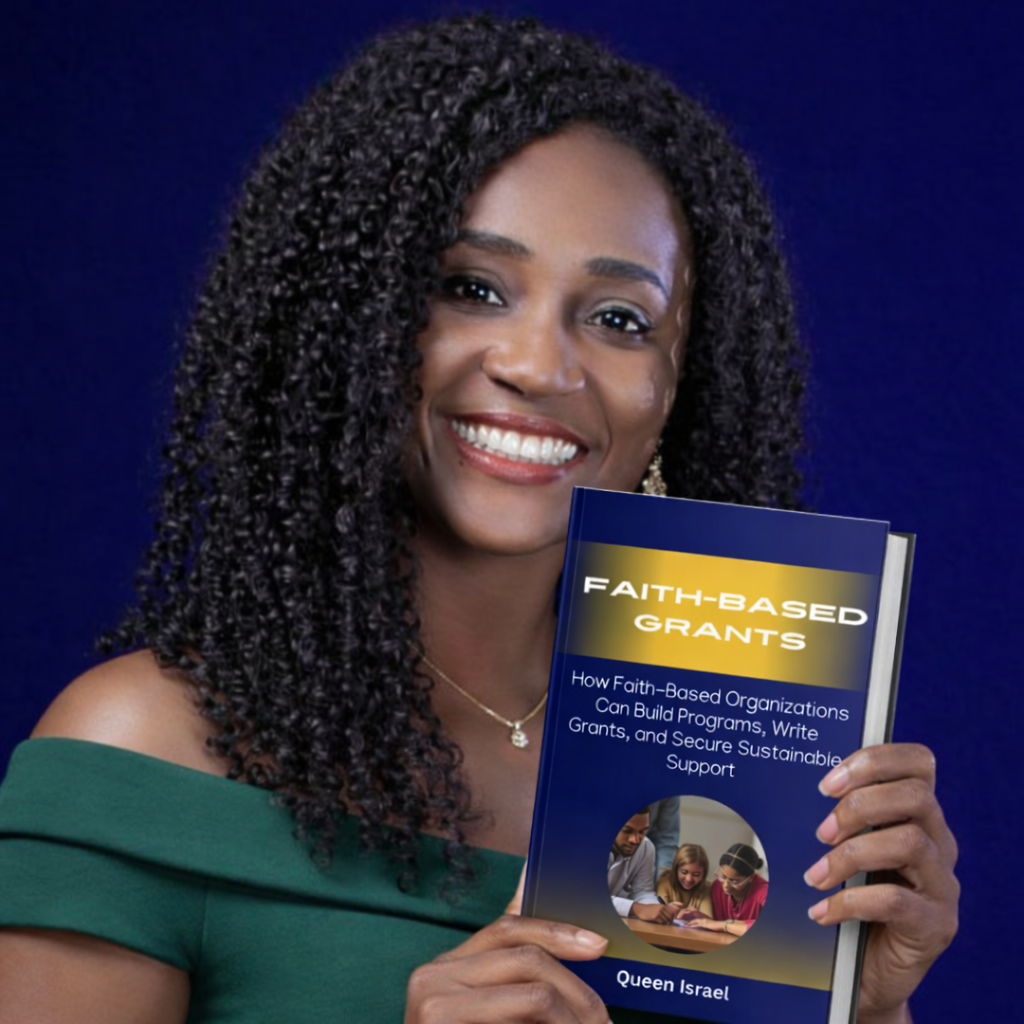
1. Download Faith-Based Grant Readiness Playbook
Get access to faith-based grants readiness playbook specifically suitable for faith-based organizations with limited experience—so you’re not wasting time applying where you don’t fit.
2. Join the Faith-Based Grants Founding Membership
Access templates, grant alerts, and a structured funding system designed to help you compete effectively—even without years of experience.
3. Get Expert Support
If you’re serious about improving your success rate, get expert guidance to strengthen your positioning, improve proposal quality, and compete more effectively for funding.
Final Thought
You don’t need to wait 5–10 years to become “eligible” for funding.
You need to become strategically visible and convincingly positioned.
Because in the end:
- Funders don’t fund history—they fund confidence
- They don’t fund size—they fund clarity
- They don’t fund potential alone—they fund presented capability
And that is something you can start building—right now.