
Why Your Community Garden Deserves to Be Funded
Imagine this.
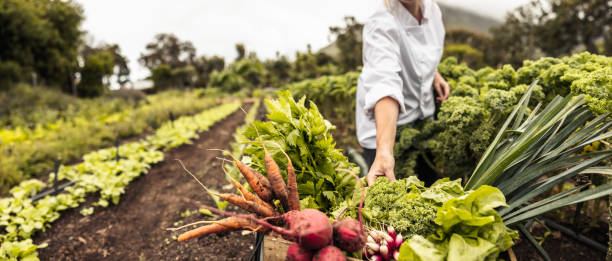
It’s a Saturday morning. The sun is warm, the air smells like fresh soil, and your neighborhood gathers around a plot of land that was once abandoned. Children pull weeds, elders tend tomatoes, and families pick fresh vegetables they’ll take home for dinner. The community feels alive again—connected, hopeful, and healthier.
This is the power of a community garden.
But here’s the truth many organizers quietly whisper:
“We don’t have the money to start—or sustain—this garden.”
Seeds, raised beds, irrigation tools, soil delivery, signage, fencing, volunteer training, compost systems… it adds up.
Do you know there are dozens of grants specifically created to help community garden projects thrive.
In this comprehensive guide, you’ll discover the top grants for community garden projects, plus step-by-step strategies to position your project for funding success.
By the end, you’ll know exactly where to apply, how to write a winning proposal, and how to avoid the common mistakes that hold many community garden advocates back.
Let’s dig in.
Top Grants for Community Garden Projects (2025 Guide)
Below is a curated list of the most reliable, accessible, and funding-friendly grant opportunities available for community gardens, urban agriculture projects, neighborhood green spaces, and food-security initiatives.
1. Whole Kids Foundation Garden Grant
Amount: $3,000
Best For: School gardens, youth garden education, classroom-linked garden programs.
This program funds edible gardens that engage kids in hands-on learning. Perfect for schools or nonprofits partnering with schools.
What You Can Use It For:
- Raised beds
- Soil and compost
- Tools and irrigation supplies
- Garden curriculum materials
Why It Stands Out:
Highly beginner-friendly and very competitive—but they love clear educational impact.
2. National Garden Club Grants
Amount: $250–$1,000
Best For: Community beautification projects, pollinator gardens, local clubs.
This is ideal for smaller community gardens needing seed funding or materials.
Strongest Applications Include:
- Youth involvement
- Sustainable gardening practices
- Environmental impact
3. USDA Urban Agriculture and Innovative Production (UAIP) Grants
Amount: Up to $500,000
Best For: Large, structured community garden programs, urban farms, hydroponics, and community food hubs.
One of the largest federal opportunities available for community agriculture.
Eligible Activities:
- Infrastructure development
- Community composting
- Training programs
- Food distribution
Extra Tip:
Partnerships with local governments greatly strengthen your application.
4. Annie’s Homegrown Garden Grants
Amount: Up to $5,000
Best For: Gardens that teach children about real food and sustainable agriculture.
An excellent grant for schools, youth nonprofits, or after-school programs wanting to grow food.
5. America in Bloom Grants
Amount: $1,000–$10,000
Best For: Town-wide beautification and urban green space improvement.
If your garden will boost community pride or revitalize an underserved neighborhood, this one is a match.
6. Home Depot Community Impact Grants
Amount: Up to $5,000 in Home Depot gift cards
Best For: Garden infrastructure: fencing, lumber, raised beds, tools.
This is one of the MOST practical grants because you can get exactly what you need from the store.
7. Lowe’s Hometowns Grant Program
Amount: Up to $100,000
Best For: Community revitalization projects with large-scale physical improvements.
Perfect for expanding a garden, adding an outdoor classroom, or building permanent structures.
8. SeedMoney Garden Grants
Amount: $200–$1,000
Best For: Gardens needing fast, flexible funding.
SeedMoney uses a crowdfunding + grant model. If your garden can rally supporters, your chances increase.
9. Captain Planet Foundation Grants
Amount: $500–$2,500
Best For: Environmental education, youth-led sustainability gardens.
Projects that include hands-on science activities do especially well.
10. Bonnie Plants 3rd Grade Cabbage Program
Amount: $1,000 scholarships
Best For: School gardens focusing on youth participation.
This program provides cabbage plants and enters students into a scholarship competition.
11. Walmart Local Community Grants
Amount: $250–$5,000
Best For: Food-security focused gardens, local produce distribution, volunteer-led projects.
Extremely flexible and accessible—even new nonprofits win this grant regularly.
12. Clif Family Foundation Grants
Amount: $2,000–$10,000
Best For: Gardens addressing food justice, sustainability, and community resilience.
Best suited for nonprofits with strong mission alignment.
13. Native Seeds/SEARCH Community Grants
Amount: $250–$1,500
Best For: Indigenous-led gardens, native seed preservation, cultural food practices.
This is perfect for gardens emphasizing heritage crops.
14. Fruit Tree Planting Foundation Grants
Amount: In-kind donations of fruit trees, tools, and consultation
Best For: Orchards, large gardens, or food forests.
Great for long-term food production projects.
15. AARP Community Challenge Grants
Amount: $10,000–$50,000
Best For: Gardens serving older adults or improving mobility/accessibility.
A strong choice for multi-generational garden projects.
How to Choose the Best Grant for Your Community Garden
When selecting grants, consider:
✔ Your project size
Small gardens → try seed funding, local grants, or in-kind support
Large gardens → go for USDA, Lowe’s, or AARP grants
✔ Your target beneficiaries
Children → Whole Kids, Annie’s
Seniors → AARP
Low-income families → Walmart, USDA
✔ Your garden purpose
Education, food production, beautification, sustainability, or therapy?
Match your mission to the funder’s mission.
✔ What you actually need
Tools?
Soil?
Infrastructure?
Plants?
Money for staffing?
Look for grants that provide exactly what you lack.
Real-Life Examples: How Garden Projects Secure Funding
Example 1: The Riverside Healing Garden
A neighborhood group wanted to transform an empty lot into a therapeutic garden for seniors. They applied for:
- AARP Community Challenge Grant for benches and pathways
- Home Depot Community Impact Grant for fencing
- SeedMoney Grant for soil and tools
Total funding received: $18,500
Impact: 120 seniors now participate in weekly gardening sessions.
Example 2: The Youth Edible Science Lab
A school wanted a garden that doubled as a STEM lab. They applied for:
- Whole Kids Foundation Garden Grant
- Captain Planet Foundation eco-stewardship grant
- Bonnie Plants cabbage program
Funding received: $6,000 + in-kind plants
Impact: The garden now teaches 250 students annually.
How to Write a Grant-Winning Community Garden Proposal
Below is a simple checklist to help you craft a strong application.
Community Garden Proposal Checklist
1. Mission & Purpose
Explain:
- Why your community needs this garden
- Who benefits
- What problem the garden solves (food security, education, wellness)
2. Project Description
Include:
- Size of the garden
- Design layout
- Activities (planting, workshops, harvesting)
- Staffing and volunteers
3. Community Involvement
Show partnerships:
- Schools
- Churches
- Neighborhood associations
- Local businesses
Funder love collaboration.
4. Sustainability Plan
Explain:
- Soil maintenance
- Water access
- Volunteers
- Long-term funding
5. Budget
Include:
- Soil
- Tools
- Seeds
- Irrigation
- Labor
Present a clean, realistic budget.
Common Mistakes to Avoid When Applying for Garden Grants
Even strong projects get rejected for simple reasons.
Here’s what to watch for:
a) No clear beneficiary group
Funders want to know who exactly benefits.
b) Weak sustainability plan
If your garden might die after the funding, it’s a red flag.
c) Budget inflation
Asking for too much = instant rejection.
d) No community support evidence
Letters of support dramatically increase success.
e) Vague impact statements
Use numbers:
“200 residents will access fresh vegetables monthly.”
Quick Tips for Fast Funding
- Start with local grants—they’re easier.
- Add volunteer hours to your budget narrative (funders love community effort).
- Show before and after images (even renderings work).
- Include stories—funders connect with emotion.
- Apply to at least 5–7 grants for the same project.
Conclusion: Your Community Garden Deserves Support
A community garden is more than just soil and vegetables.
It’s a meeting place.
A healing space.
A food source.
A classroom.
A sanctuary.
Whether you’re feeding your neighborhood, teaching kids where food comes from, creating safe green spaces, or empowering families to grow their own produce—your project matters.
And with the right grants, your vision can bloom into something that transforms your entire community.
You now have the knowledge.
The strategy.
The funding sources.
And the steps to move forward.
The next move is yours.
Ready to Take Your Grant Success to the Next Level?
If you’re serious about winning funding for your garden—or ANY project—then it’s time to join the Grant Writing Academy Founding Membership.
This premium experience helps you:
✔ Identify 5–10 relevant grant opportunities tailored to your project
✔ Develop one customized Grant Proposal Master Plan
✔ Complete a full Grant Readiness Assessment to strengthen all your applications
✔ Learn directly from experts through tools, templates, and coaching
And remember—
Grant Writing Academy does NOT provide funding.
Instead, we equip you with the exact strategies, systems, and confidence you need to win more grants.
To join or inquire, email:
grantwritingacademyconsult@gmail.com
Your community garden can grow into something extraordinary.
Let us help you get the funding it deserves.


I would like to thnkx for the efforts you have put in writing this blog. I am hoping the same high-grade web site post from you in the upcoming as well. In fact your creative writing skills has inspired me to get my own website now. Actually the blogging is spreading its wings rapidly. Your write up is a good example of it.