
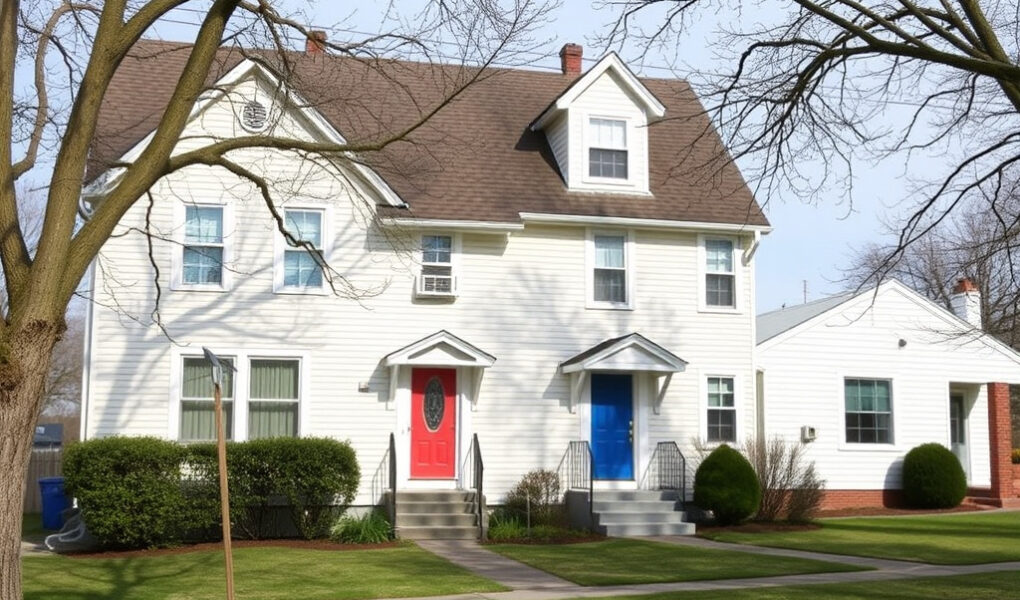
Pastors across Africa, the United States, and global mission fields face a growing crisis: housing has become one of the most urgent yet least supported needs in ministry work. While pastors pour their energy into serving congregations and communities, many struggle with unstable housing, unsafe living conditions, or rental burdens that limit their ability to lead effectively.
The good news?
Housing grants for pastors DO exist, and more agencies are creating programs to support clergy welfare and ministry stability.
Before exploring these programs, it’s important to understand the broader landscape of faith-based funding. A powerful overview of how religious ministries can position themselves for long-term support is covered in the Faith-Based Grants for Pastors & Ministries master guide, which outlines the exact frameworks funders use to evaluate clergy-focused proposals.
This 2025 guide will show you where pastors can apply for housing assistance, what funders look for, how to prepare a strong application, and how to increase your approval chances—especially in a competitive funding cycle.
Why Pastoral Housing Is Now a Funding Priority
Funders—both faith-based and secular—are increasingly recognizing that pastors cannot lead effectively without stable housing. In many developing countries, pastors:
- Depend entirely on congregational offerings
- Receive inconsistent support
- Live in unsafe or inadequate homes
- Face sudden displacement when leadership changes
- Cannot maintain a base for ministry operations
Many Catholic, foundation, and faith-based organizations have begun to prioritize clergy housing under broader themes like:
✔ community stabilization
✔ safety and dignity in ministry
✔ rural mission support
✔ poverty alleviation
✔ strengthening local faith structures
This shift creates real opportunity—but only for pastors who know where to look and how to apply properly.
Types of Housing Grants Available for Pastors in 2026
Not all housing support is the same. Understanding the different types helps you choose the right funder.
1. Pastoral Housing Construction Grants
These support building a new home for a pastor, especially in rural mission territories.
Typical funders:
Aid to the Church in Need (ACN), MISSIO, denominational bishoprics.
Best for:
- Evangelization centers
- Remote mission areas
- Parishes with growing congregations
2. Renovation or Repair Grants
These grants upgrade existing structures, improving safety and dignity.
Typical funders:
CAFOD, Caritas, dioceses, local foundations.
3. Rental Assistance Programs
Some foundations assist pastors who are unable to meet rental obligations due to economic pressure or ministry hardship.
Best for:
Pastors in urban and semi-urban settings.
4. Ministry Housing Allowance Grants
These grants are tied to the pastor’s role—similar to a stipend.
Often includes:
- Utilities
- Relocation support
- Basic furnishings
5. Emergency Housing Support
Used for crisis situations:
- Evictions
- Disaster displacement
- Security threats
- Loss of income
Many pastors do not know that emergency funding exists, yet these programs are often more accessible than long-term grants.
Funding Agencies Offering Housing Support for Pastors
Here is a strategic list of agencies and organizations that fund or support pastoral housing:
1. Aid to the Church in Need (ACN)
ACN is one of the strongest global funders of pastoral infrastructure.
They fund:
- Clergy homes
- Parish buildings
- Vehicles
- Outreach centers
Strength: ACN understands rural ministry realities better than most funders.
2. MISSIO (Pontifical Mission Societies)
MISSIO supports pastors worldwide, especially in Africa, Asia, and Latin America.
They fund:
- Construction
- Mission housing
- Basic building materials
MISSIO strongly prefers structured project plans with transparent budgets.
3. Diocesan Development Offices
Many local dioceses have internal funding sources or partnerships with international donors.
If you are a pastor:
Your diocese may be your MOST important gateway to housing funding.
4. Church-Based Foundations
Examples include:
- Catholic bishops’ conferences
- Christian humanitarian foundations
- Religious community funds (Jesuits, Franciscans, Dominicans, Sisters organizations)
Many of these fund housing—even if they do not advertise it publicly.
5. General Foundations Supporting Community Leaders
Some secular agencies fund housing initiatives that strengthen community work.
These include:
- Small family foundations
- Community development donors
- Rural empowerment programs
These often require strong documentation and community impact evidence.
How to Know if You Qualify for Pastoral Housing Grants
Funders typically look for:
✔ Proof of pastoral appointment
Letter from bishop, overseer, or church governing body.
✔ Organizational or ministry structure
Even a basic structure helps demonstrate accountability.
✔ Clear evidence of need
Why must housing be addressed now?
✔ A budget with realistic costs
Inflated budgets are rejected immediately.
✔ Community impact
How will stable housing improve ministry work?
✔ Stewardship history
Funders want reassurance the organization or pastor can manage grants responsibly.
How to Strengthen Your Application Before Applying
1. Prepare Your Documents Ahead of Time
You will likely need:
- Ministry registration documents
- Leadership structure
- Bank account confirmation
- Pastoral appointment letter
- Photos of current housing condition
- Budget breakdown
- Community testimonies (very powerful)
2. Develop a Housing Project Narrative
Include:
- Current challenge
- Impact on ministry effectiveness
- Proposed solution
- Expected results
- Sustainability plan
A strong narrative improves your chances significantly.
3. Demonstrate Community Support
Funders love projects with backing from:
- Your congregation
- Local leaders
- Diocese leadership
- Ministry partners
Letters of support go a long way.
Sample Budget Outline for a Pastoral Housing Project
This strengthens your credibility.
| Item | Cost Estimate | Notes |
|---|---|---|
| Land preparation | $300–$1,500 | Depending on region |
| Blocks/bricks | $800–$2,500 | Local sourcing is best |
| Roofing materials | $700–$1,200 | Durable materials preferred |
| Labor | $1,000–$3,000 | Provide transparency |
| Doors/windows | $400–$700 | |
| Finishing | $300–$900 |
Always add a 5–10% contingency.
Suggested Articles:
- If your ministry prefers Catholic-aligned funding, explore the detailed List of Catholic Funding Agencies for Africa, which includes funders who frequently support housing initiatives.
- Pastors seeking general ministry support beyond housing may also benefit from reviewing the Free Grants for Pastors in Africa guide.
Most Pastors Fail Because They Skip One Step: Readiness
Funders do NOT want to invest in pastors who:
- Are unclear about their ministry structure
- Do not have budgets
- Cannot show transparency
- Have no sustainability plan
Before applying anywhere, ensure your ministry is prepared.
A FREE tool to help with this is included in the CTA below.
Conclusion: Housing Grants Are Real — But Only for Pastors Who Apply Correctly
2026 is a promising year for pastoral housing support.
Ministries that present:
- Strong documentation
- A clear need
- Strategic budgeting
- Mission alignment
- Community support
…stand the highest chance of being funded.
Your housing stability directly affects your ministry effectiveness.
Invest the time now to prepare—and apply strategically.
Final Step: Strengthen Your Grant Success Strategy
Grant opportunities are shifting fast — and those who are NOT prepared will be left behind.
Don’t let that be you. Download your FREE Grant Readiness Guide right now and position yourself for funding success.
Access to advanced training, templates, mentorship, and full grant toolkits is only available inside the Grant Writing Academy Founding Membership — and enrollment is limited.
Once doors close, they won’t reopen at this rate. This is your moment.
Secure your advantage before the window closes.



[…] Housing Grants for Pastors […]